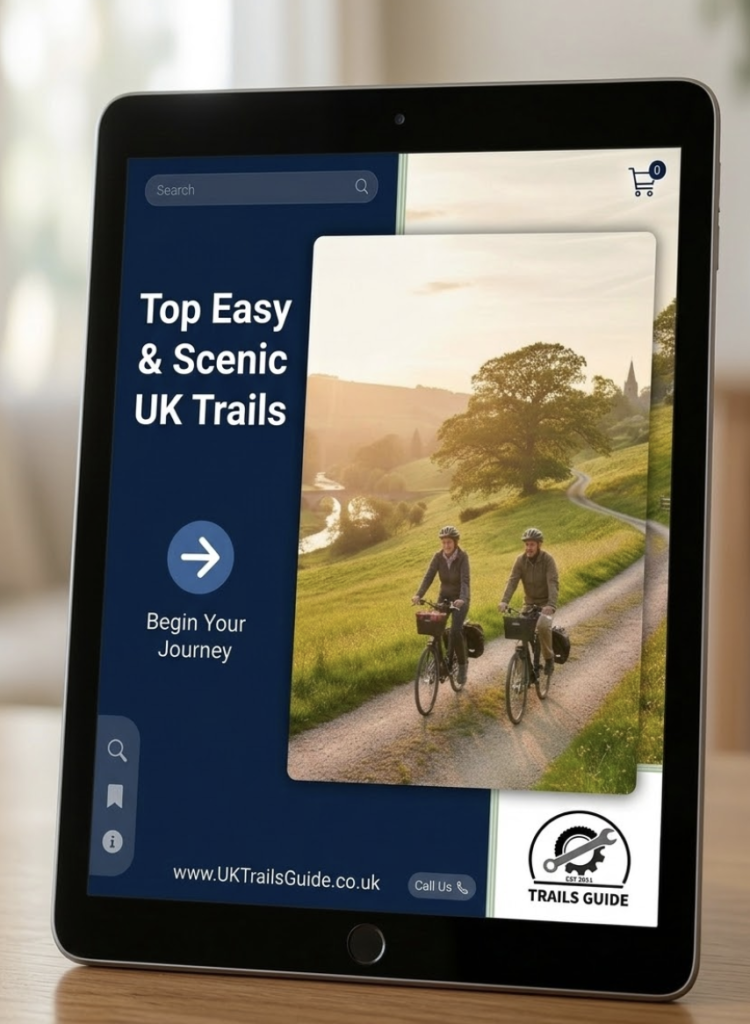
Looking for relaxed, scenic cycling routes without steep hills, traffic stress, or complicated planning?
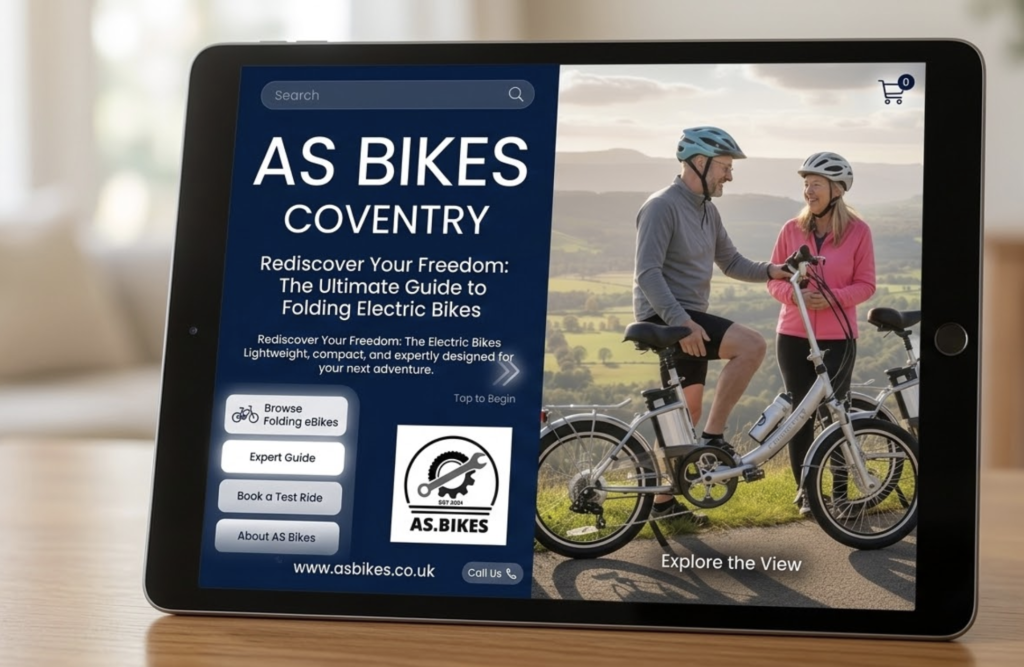
Our comprehensive brochure is designed to give you all the information you need, without the jargon and without the pressure.
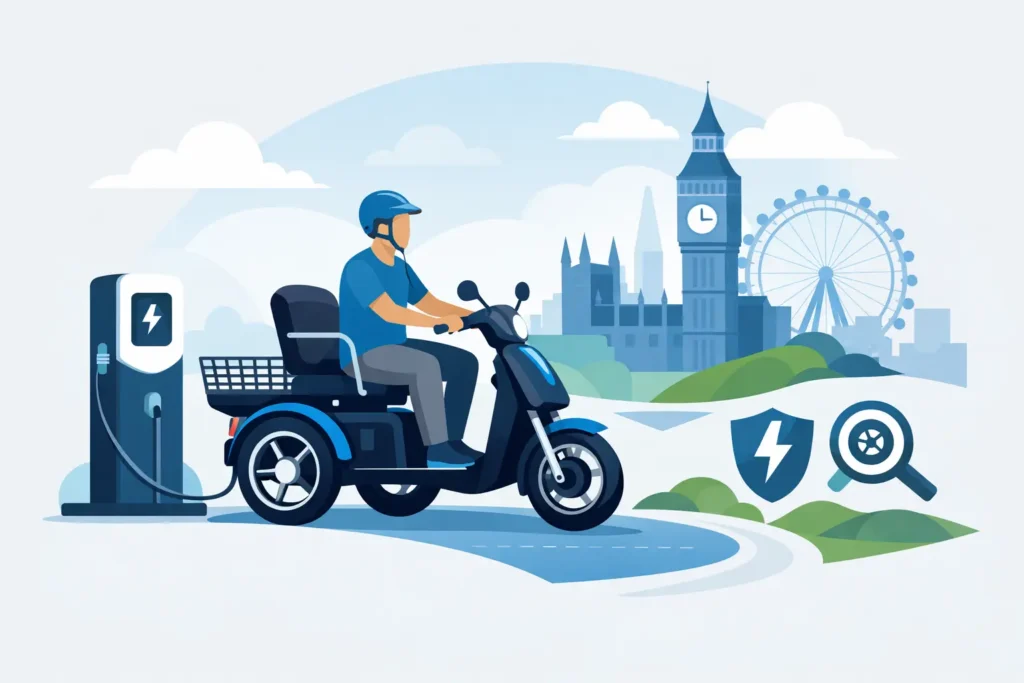
A three-wheeler can look like a simple choice until you start comparing them properly. One has a low step-through frame, another folds, another promises a bigger battery, and suddenly the right answer is less obvious than it seemed. This electric tricycle buyer guide is here to make that decision easier, with clear, practical advice for real everyday use.
For many people, an electric tricycle is not about sport or speed. It is about getting to the shops without feeling worn out, enjoying the seafront on holiday, keeping up with family on campsite trips, or staying independent when balance on two wheels no longer feels comfortable. That changes what matters. The best model is not the one with the longest spec sheet. It is the one that suits your body, your storage space and the way you actually plan to use it.
The first question is not battery size or motor power. It is how you want the tricycle to fit into your life.
If you want something mainly for local trips, comfort and ease of mounting may matter more than outright range. If you travel with a motorhome or caravan, folding ability and overall weight may quickly become the deciding factors. If you want extra support for shopping or carrying personal items, basket size and rear stability may be more useful than a higher top speed.
That is why buying purely on technical figures can be misleading. Two electric tricycles can sound similar on paper but feel very different in daily use. A slightly heavier model might feel more planted and confidence-inspiring. A lighter one might be easier to load into a vehicle, but less suitable if you want maximum carrying capacity. It depends on where and how you ride.
Most buyers know within a few minutes whether a tricycle feels welcoming or awkward. Getting on and off should feel straightforward, not like a stretch or a wobble. A low step-through frame is often the best place to begin, especially for riders with stiff hips, knee problems or reduced mobility.
The riding position matters just as much. An upright seating position is usually kinder on the back, shoulders and wrists than a sporty, forward-leaning design. A wide, supportive saddle can make a real difference on longer rides, particularly if your plan is to enjoy gentle day trips rather than short errands.
Handlebar shape is worth noticing too. Some riders prefer bars that bring the controls closer to them, reducing strain on the arms. Others are happy with a more traditional reach. There is no universal best option here, only what feels natural and secure.
If you have not ridden for years, confidence is every bit as important as comfort. A tricycle should feel stable when setting off, predictable at low speed and easy to stop. That sense of reassurance is often what turns a nervous first ride into something enjoyable.
For many UK customers, this is one of the biggest decisions. A folding electric tricycle can be a brilliant solution if storage is tight or you want to take it away in a car, campervan or motorhome. It can also make life easier at home if garage space is limited.
That said, folding models do involve trade-offs. Folding mechanisms add complexity, and some folding tricycles can still be fairly substantial once folded. It is important to check not just whether it folds, but how manageable it is afterwards. Can you lift it safely? Will it fit through the door of your shed? Is there room in the boot once holiday luggage is packed as well?
A non-folding model may be the better choice if you have easy storage and want the simplest, most solid day-to-day setup. Less folding hardware can mean a more straightforward ownership experience. For some riders, that extra simplicity is worth more than portability.
Range is one of the most talked-about features, and one of the easiest to misunderstand. Quoted figures are often based on ideal conditions. Real range varies depending on rider weight, hills, tyre pressure, wind, temperature and how much pedal assistance you use.
For a gentle trip around town or the promenade, many riders do not need the biggest battery available. If your usual outing is a few miles with a stop for tea and a bit of shopping, comfort and charging convenience may matter more than chasing maximum mileage.
On the other hand, if you like longer leisure rides, live in a hilly area or do not want to think about charging too often, a larger battery can be a very sensible upgrade. The key is to buy for your real routine, with a little headroom, rather than the occasional best-case journey.
It is also worth asking how simple the charging process is. A removable battery is often easier, especially if the tricycle is stored in an outbuilding or vehicle where there is no convenient power socket.
Most riders are not looking for a powerful surge. They want gentle, dependable assistance that takes the strain out of hills, headwinds and longer distances. A good electric tricycle should help you feel fresher at the end of a ride, not make the experience feel abrupt or difficult to control.
Smooth power delivery is particularly important on a tricycle because low-speed manoeuvring and steady handling are a big part of the experience. You want assistance that feels predictable when pulling away and easy to manage in busier areas such as promenades, parks and holiday sites.
More power is not always better. If the support feels too sharp, it can be unsettling for some riders. For many people, especially those returning to cycling after a long break, calm and steady assistance is the better fit.
One reason people choose an electric tricycle over a two-wheeled bike is practicality. A rear basket or cargo area can make everyday life easier, whether that means groceries, a handbag, a waterproof coat or bits and pieces for a day out.
Think about what you genuinely want to carry. A small basket might be enough for personal items and light shopping. If you regularly collect groceries or take supplies to a campsite or marina, a larger storage area could be much more useful.
Do pay attention to weight limits. A basket may look generous, but that does not mean it is designed for very heavy loads. Carrying extra weight also affects handling, especially when cornering, so choosing the right setup is partly about safety as well as convenience.
A tricycle should inspire trust. Good brakes are part of that, especially if you ride in mixed weather or on varied surfaces. British roads and paths are not always smooth, and a setup that copes well with everyday bumps and damp conditions is worth having.
Tyres with decent grip can improve confidence, while puncture-resistant options may save hassle over time. This may not be the most exciting part of the buying decision, but it often becomes one of the most appreciated once you are using the tricycle regularly.
Lighting is another practical detail that matters. If there is any chance you will be riding on dull afternoons, through autumn evenings or around campsites after dark, proper front and rear lights are far more useful than an afterthought.
This is the part many buyers only appreciate once they need it. An electric tricycle is not just a one-off purchase in a box. Batteries age, tyres wear, brake adjustments crop up, and sometimes you simply need advice from someone who knows the product properly.
Buying from a specialist with real after-sales support can make ownership much easier. Honest guidance before purchase is valuable, but so is knowing you can ask sensible questions later without feeling passed around or brushed off. For many customers, especially those buying for mobility support or travel, that peace of mind is a big part of the value.
A family-run specialist such as AS Folding Electric Bikes often appeals for exactly that reason. People want practical answers, help with parts and service that continues after delivery.
The most common mistake is buying for a version of life that rarely happens. It is easy to imagine weekly countryside outings and all-day adventures, then use the tricycle mostly for local shopping and short leisure rides. Buy for your normal pattern, not the fantasy one.
Another mistake is underestimating size and weight. A tricycle may be perfect on the road but awkward in a hallway, shed or vehicle. Measuring your storage space before you buy can prevent a lot of frustration.
The third is focusing only on stability and forgetting comfort. Yes, three wheels can feel reassuring, but if the saddle, reach or step-through height do not suit you, the tricycle may still end up unused.
Instead of asking, which electric tricycle is best, ask, which electric tricycle will be easiest for me to enjoy regularly? That small change usually leads to a better decision.
If it is comfortable to get on, simple to store, easy to charge and pleasant to ride, it is far more likely to become part of your everyday life. And that is the whole point. The right tricycle should not feel like a complicated bit of equipment. It should feel like freedom made easier.